The Next
Chapter
Every story reaches a moment where what happens next matters. Choose which you'll read first.
Cynthia opened her home to children who needed one. Then she needed help keeping food on the table.
Unemployed and caring for seven children, Cynthia reached a point where generosity alone could not make the numbers work.
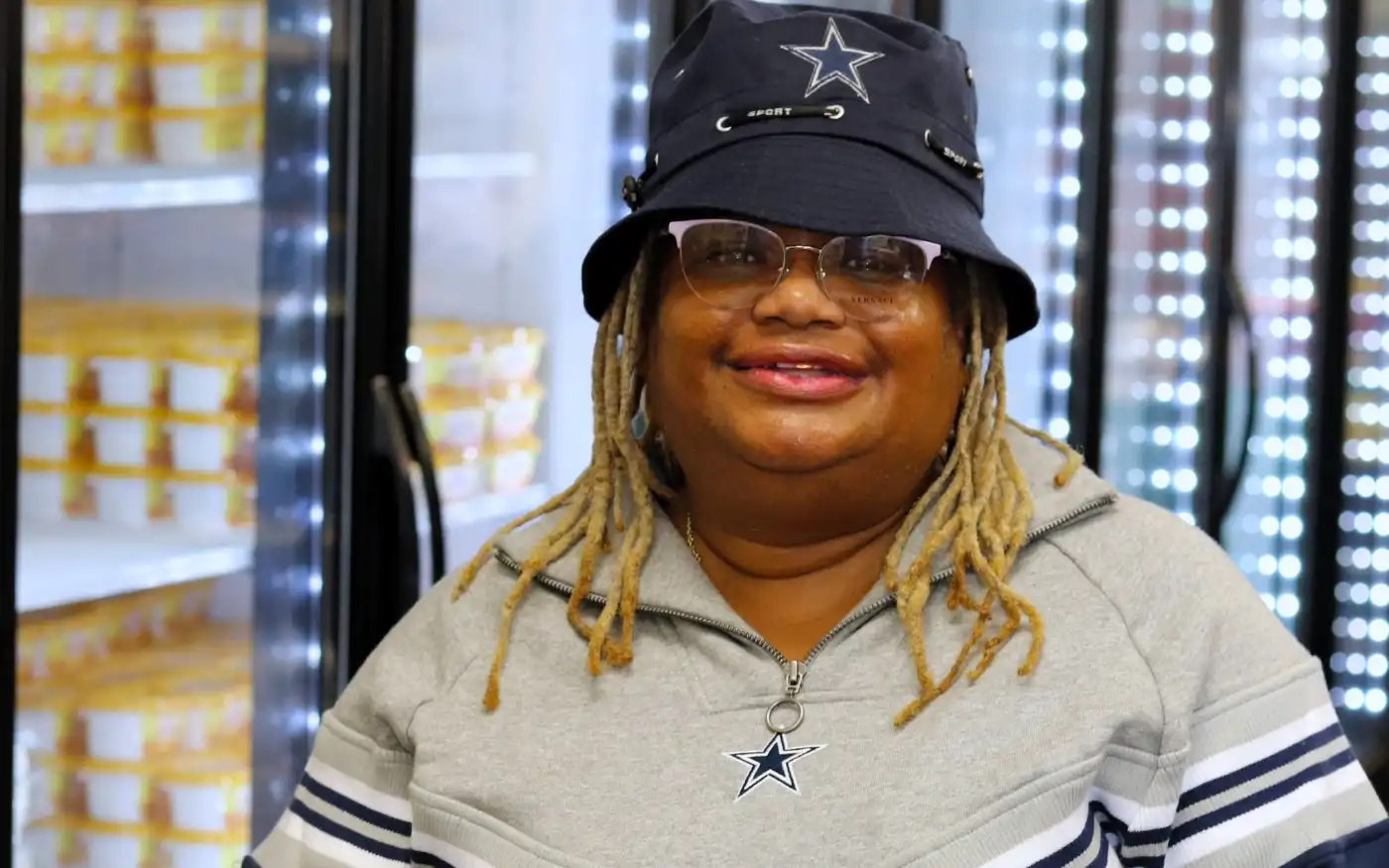
Several years ago, Cynthia was unemployed and caring for seven children, five of whom were foster children. She had opened her home to children who needed care, but eventually the cost of keeping a large household fed became more than she could manage.
So Cynthia reached out for help. Catholic Charities Dallas connected her with the Jan Pruitt Community Pantry, where her family could count on nutritious groceries during a season when every dollar mattered.
“Not having to worry about where our next meal would come from was truly a gift.”
— Cynthia Ross
The next chapter is already being written.
At the pantry, Cynthia could choose what her family actually needed.
The ability to shop for groceries brought something important back into a difficult season: choice.
The Jan Pruitt Community Pantry quickly became a reliable source of nutritious food for Cynthia's household. Instead of receiving a one-size-fits-all box, she could shop and select the foods that would best nourish her children.
That choice mattered. It meant Cynthia could care for her family in the way she knew best while removing one of the largest pressures on a limited household budget.
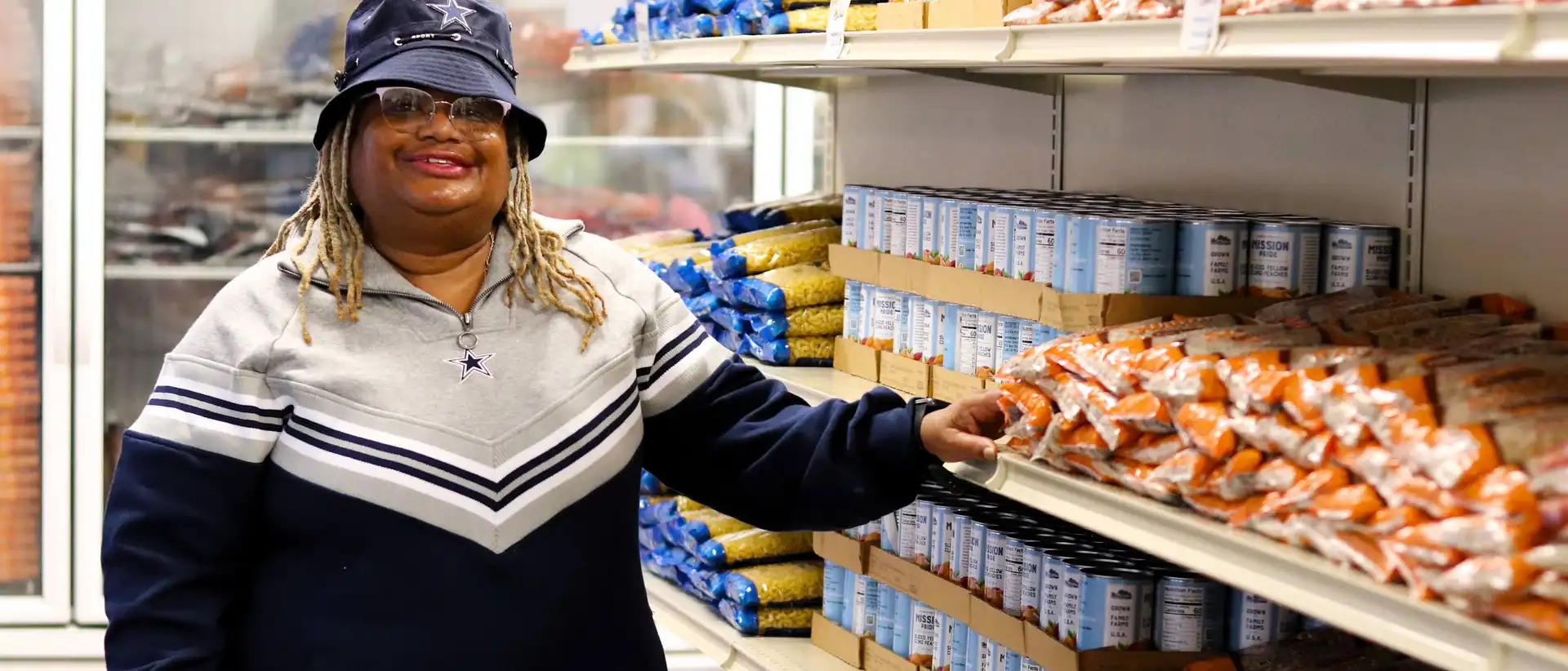
With groceries covered, Cynthia could direct more of her limited income toward the rest of family life instead of constantly deciding what would have to wait.
Get the next chapter in your inbox so you can keep reading when it arrives.
A grocery bill Cynthia didn't have to carry made room for the bills she still did.
Hunger assistance became a source of stability across the rest of her household.

Because the pantry helped provide her family's groceries, Cynthia could use her income for other needs and keep bills paid on time. Sometimes, there was even room to treat her children to something special.
For Cynthia, meals were never only about physical nourishment. They were also a way for her family to come together. Reliable access to food took away one constant worry and helped make those ordinary moments possible.
“Not having to worry about where our next meal would come from was truly a gift.”
— Cynthia Ross
What looked like groceries on a shelf became breathing room in a budget, meals around a table, and one less uncertainty for a family already carrying a great deal.
Get the next chapter in your inbox so you can keep reading when it arrives.
For Cynthia, a bag of groceries came to mean stability, dignity, and the reminder that she was not alone.
More than seven years of support began with one practical need and became part of what helped her family move through uncertain times.
Cynthia has received support from Catholic Charities Dallas for a little over seven years. The circumstances that first brought her to the pantry were immediate, but the meaning she attaches to the help has always gone beyond the food itself.
The pantry gave her a dependable place to turn, the dignity to choose food for her household, and the reassurance that when providing for her family became difficult, she did not have to carry that challenge alone.
That is what stability can look like: not the absence of every need, but knowing one essential need can be met while a family keeps moving forward.
Cynthia continues to receive support from CCD's Hunger Services program and sees that support as more than groceries: it is stability, dignity, and peace of mind.
Sometimes meeting one essential need creates room to begin working on everything that comes next.
The Next Chapter
Joseph had housing. What he no longer had was a sense of safety.
After years of homelessness and supportive housing, the apartment where Joseph lived had become another source of stress instead of a place to recover from it.
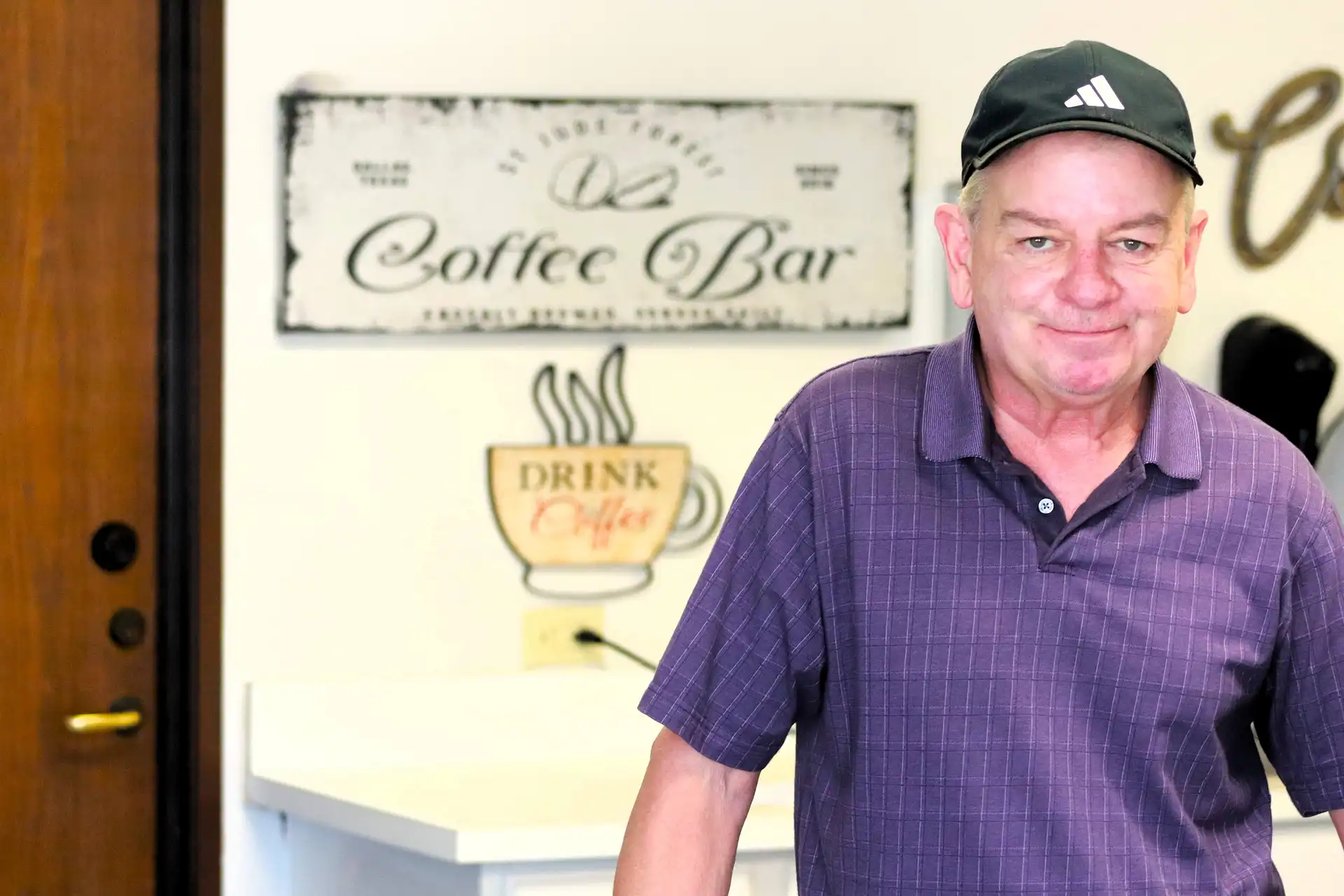
About fifteen years ago, Joseph lost his longtime job after a disability made it impossible for him to continue the work. Soon afterward, he severely broke his leg. A series of setbacks left him homeless for roughly three years before he entered supportive housing.
He eventually spent years in an apartment in Irving, but the environment became increasingly difficult. Neighbors repeatedly knocked on his door, asked him for things, made noise late at night, and left Joseph feeling vulnerable in a place that was supposed to be home.
“I knew what I had in Irving wasn't working, and it was just dangerous. I needed something that was safer.”
— Joseph Kirby
The next chapter is already being written.
At a St. Jude Center, feeling safe changed what Joseph could think about.
When the worry around housing finally quieted, there was room to focus on health, mobility, transportation, and the future.
Joseph moved into St. Jude Center – Forest Lane on January 1, 2020. From the beginning, the secure environment stood out to him. Gates, controlled access, and a community built with older adults in mind gave him the sense of calm he had been missing.
Later that year, Joseph began receiving Catholic Charities Dallas case management. Along with stable housing, he gained reliable access to food, transportation help, computers for tasks such as studying for his driving test, fitness resources for rehabilitation, and case managers he could turn to when a new need surfaced.
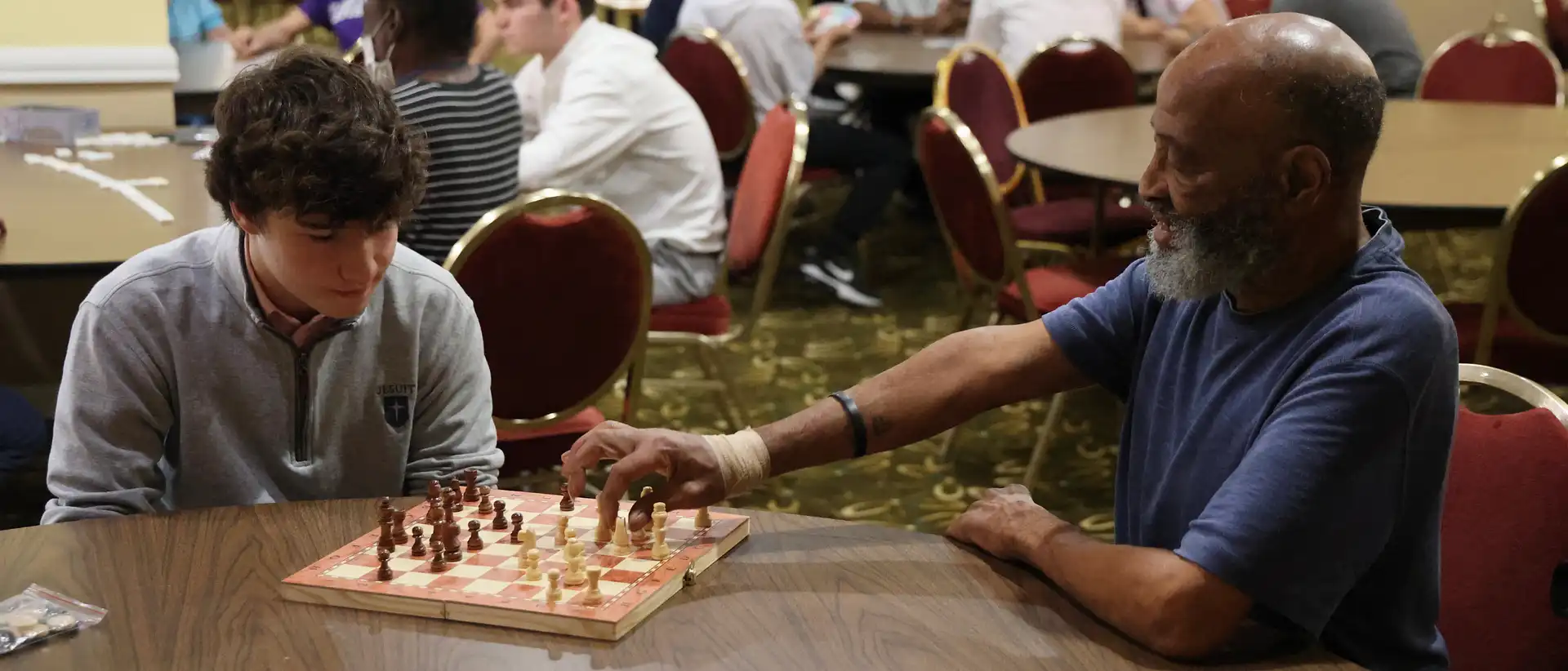
Joseph says the stability lowered his stress and gave him confidence that the things he worked for would still be there the next day. That confidence soon became visible in a goal he had once stopped considering.
Get the next chapter in your inbox so you can keep reading when it arrives.
A car became more than transportation. It became proof that Joseph could build forward again.
Safety gave him the confidence to save, regain his driver's license, and reclaim a kind of independence he had gone without for years.
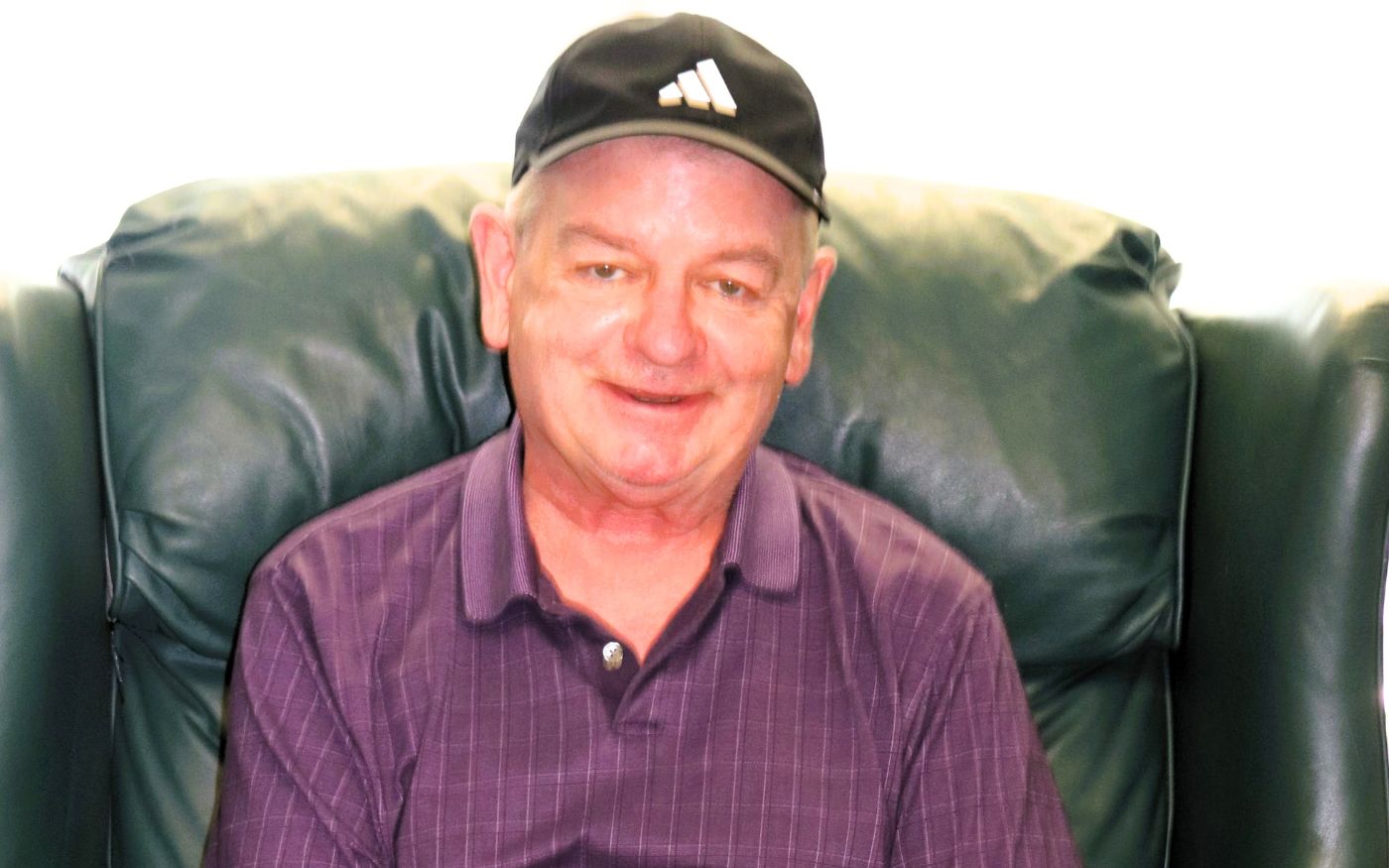
Joseph saved enough to purchase a car in December 2021. About six months later, he regained his driver's license. After relying on public transportation for years, being able to drive made everyday life easier, from medical appointments to grocery trips.
It also allowed him to help other residents. Joseph describes the change as a snowball: greater mobility made him more productive, increased his confidence, and gave him more freedom to choose how he spent his time.
“Having the freedom of a car again makes life a lot easier. It has helped my self-esteem, my self-confidence, and my overall mental health.”
— Joseph Kirby
The milestone mattered because it represented more than a driver's license or a vehicle. Joseph was no longer organizing his life around what might be lost. He could start organizing it around what he wanted to gain.
Get the next chapter in your inbox so you can keep reading when it arrives.
Joseph's next goals are ones he once did not have room to imagine.
He wants to walk without his walker, find part-time work, keep improving his health, and continue building his independence.
Each month, Joseph works with his case manager to review goals, progress, and resources that could help. He is focused on physical rehabilitation and hopes to walk without a walker. He is also working toward finding a part-time job.
Other needs still come up, from health care to everyday logistics. The difference is that Joseph now has people he can ask for guidance and a stable place from which to work on them.
“Living here takes away my worry about my housing,” Joseph said, “and it helps me focus on other goals and things I want to do in the future.”
Living safely at a St. Jude Center, driving independently, working on his physical rehabilitation, and setting goals for part-time work and greater independence.
Never miss a chapter
New chapters publish throughout the campaign.
Get the next one in your inbox.
By the time Andres reached the Brady Senior Center, finding a safe place to sleep had become a daily problem.
A Cuban refugee experiencing homelessness, Andres had spent months moving between overcrowded shelters and temporary places to stay.
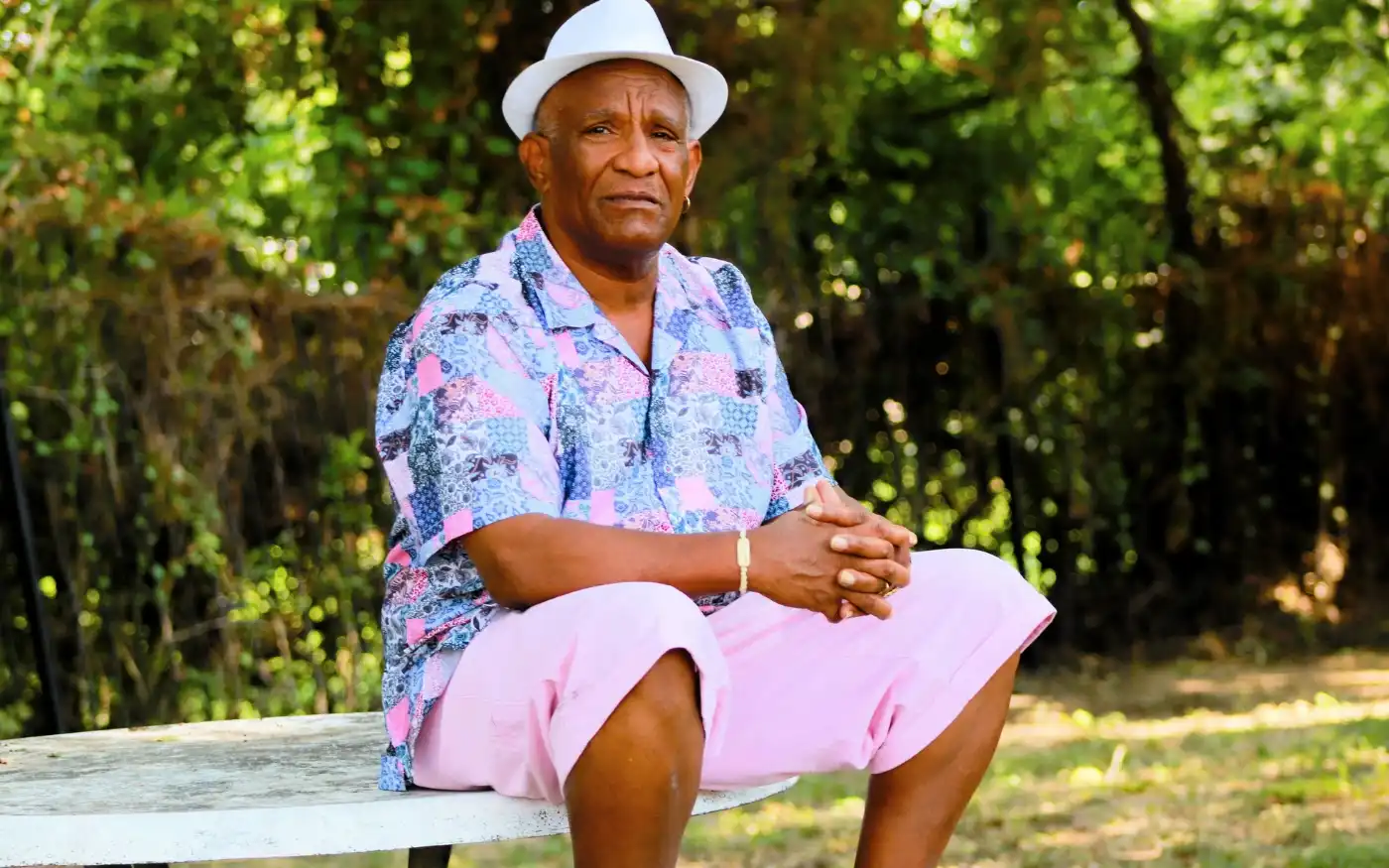
Andres arrived at Catholic Charities Dallas' Brady Senior Center in October 2023 exhausted by uncertainty. He had been rotating between crowded shelters and, when possible, relying on friends who could offer him a temporary place to sleep.
During his first case management sessions, Andres made his most urgent need clear: he needed housing. Senior Services staff began working with him on a plan, starting with applications for supportive housing.
A safe home was the goal. Until one became available, Andres also needed reliable ways to eat, travel, and stay connected to help.
Senior Services · Brady Senior Center
The next chapter is already being written.
While Andres waited for housing, the Brady Senior Center gave the waiting a structure.
Transportation, a daily meal, case management, and community helped turn uncertainty into a plan he could keep returning to.
Transportation vouchers helped Andres return to the Brady Center for case management and support. Enrollment in the congregate meal program meant he could count on a hot, nutritious meal each day.
As he spent more time at the center, Andres also found a warm, active senior community. The Brady Center became more than a place to complete housing applications. It was somewhere he could return to while the larger pieces of his life were still unsettled.
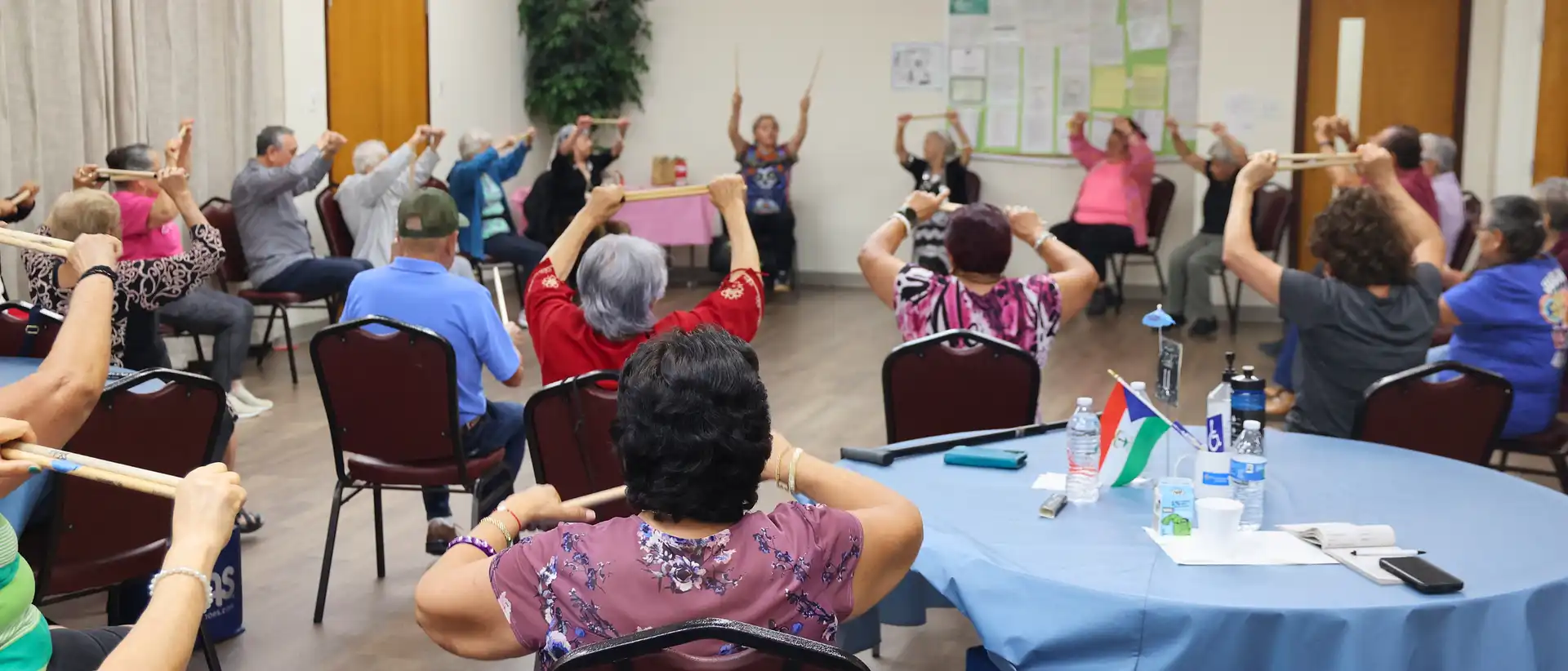
With food, transportation, and regular support more consistent, Andres could keep working toward the step that would change everything else: a permanent home.
Get the next chapter in your inbox so you can keep reading when it arrives.
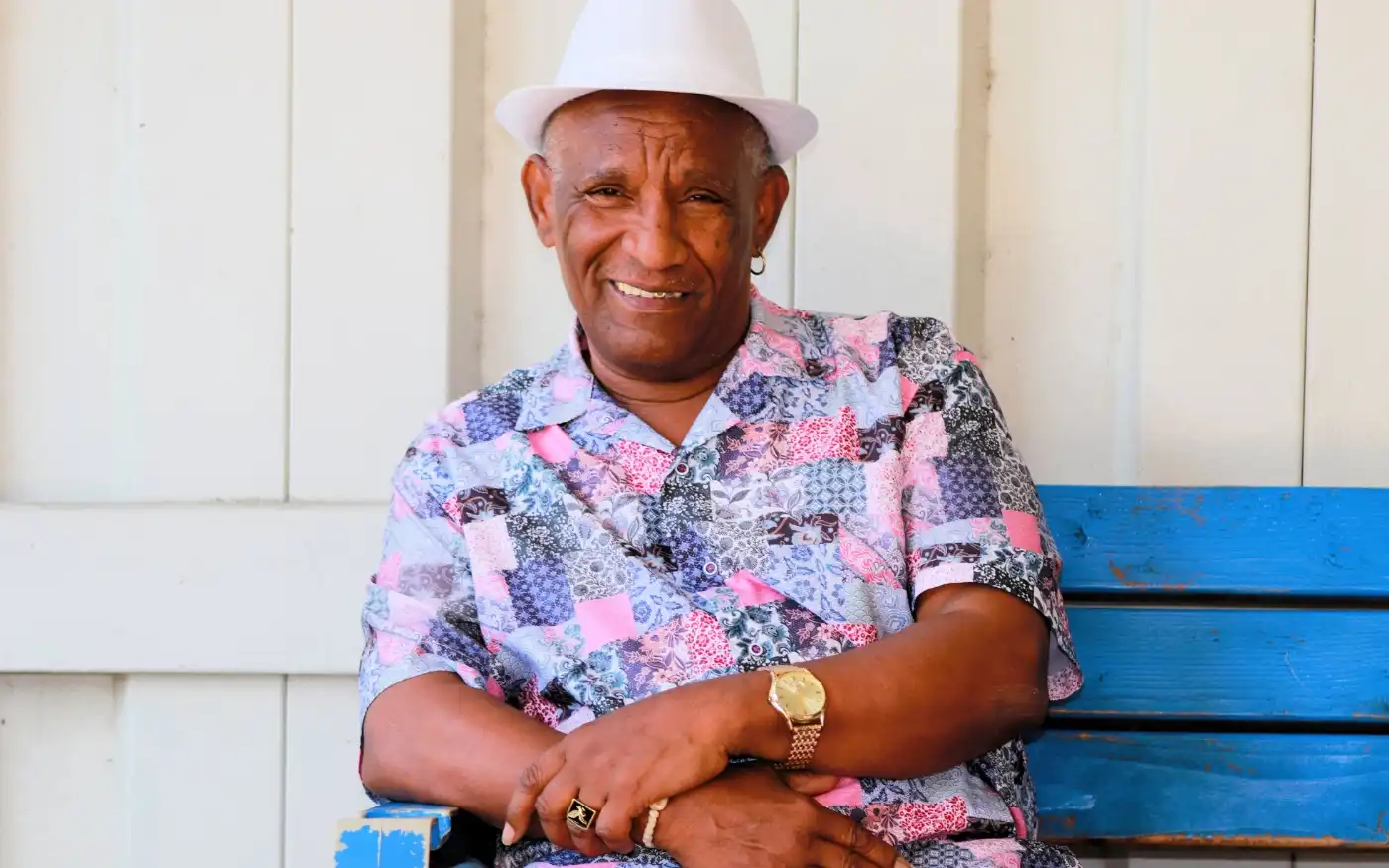
Andres moved from temporary places to sleep into a permanent apartment at a St. Jude Center.
Housing ended one period of uncertainty and created the foundation for the work that came after it.
In the months after Andres first came to the Brady Center, Senior Services staff continued connecting him with food pantries and other community resources while pursuing housing options.
Ultimately, Andres secured a permanent apartment at a St. Jude Center. He transitioned into his new home and was connected with an on-site case manager, giving him continuity of support even after the immediate housing crisis was resolved.
A permanent home gave Andres the security to start working on the documents, benefits, health resources, and opportunities that could help him build the life he envisioned.
Senior Services · Brady Senior Center
The move was not the end of the case management plan. It changed what that plan could focus on next.
Get the next chapter in your inbox so you can keep reading when it arrives.
Once Andres had a home, the work shifted from finding safety to building forward.
The team helped him reconnect with the practical pieces of independence that homelessness had made harder to maintain.
With stable housing in place, Senior Services staff helped Andres renew his work permit, apply for a state ID, and receive SNAP benefits. He was also connected with opportunities for work and access to mental health services.
Today, Andres has a safe home and an ongoing support network. The months he once spent looking for somewhere to sleep have been replaced by the ability to focus on work, health, benefits, and the community around him.
His story is still moving forward, but now it is moving forward from a place he can call home.
Living in a permanent apartment at a St. Jude Center with access to ongoing case management, work opportunities, mental health services, benefits, and a community that understands him.
Cynthia, Joseph, and Andres came to Catholic Charities Dallas with different needs. What happens next unfolds one step at a time.
The Next Chapter
The details are different. The turning point is often the same: enough safety, stability, or support to begin looking beyond today.
The Next Chapter
This chapter doesn't have an ending yet.
Cynthia, Joseph, and Andres reached turning points because the right kind of help was there when the next step mattered. Somewhere in North Texas, another story is approaching that same moment now.

We don't know the person's name yet. We don't know whether the first call will be about an empty pantry, an unsafe place to live, nowhere permanent to sleep, or something entirely different.
We do know what the beginning often sounds like.
“I don't know what to do next.”
“I just need enough time to get back on my feet.”
“I don't have anyone else to call.”
A gift on North Texas Giving Day helps make sure those words are not the end of the story. It helps put food within reach, connect someone with a case manager, provide a reliable meal or ride, create a path toward safe housing, or make the next practical step possible.
Gifts made on North Texas Giving Day help make sure those words are not the end of the story. They help put food within reach, connect someone with a case manager, provide a reliable meal or ride, create a path toward safe housing, or make the next practical step possible.
The next name could be anyone.
The next turning point could be today.
What happens next is still being written.
North Texas Giving Day is one day, but the work it supports unfolds in ordinary days all year long. A family choosing groceries at the pantry. A resident driving himself to an appointment. A senior opening the door to a permanent home.
Those moments rarely look like endings. They look like beginnings.
You don't have to know how the story ends to help write what comes next.
Give this North Texas Giving Day and help another neighbor reach the moment where an immediate need becomes stability, stability creates possibility, and a new chapter can begin.
Write the Next Chapter ↓North Texas Giving Day is over. The next chapters are not.
Thank you to everyone who helped make the next step possible. The stories you read here continue, along with thousands of others unfolding across North Texas every day.
Stay in the Story